Semrush is several products in one: a research database, a rank tracker, a site auditor, a writing tool and, from its Starter plan, an AI answer tracker. Most teams that leave use one or two of those every week and pay for the rest. So name the job you open Semrush for most often, and replace that job rather than the whole suite.
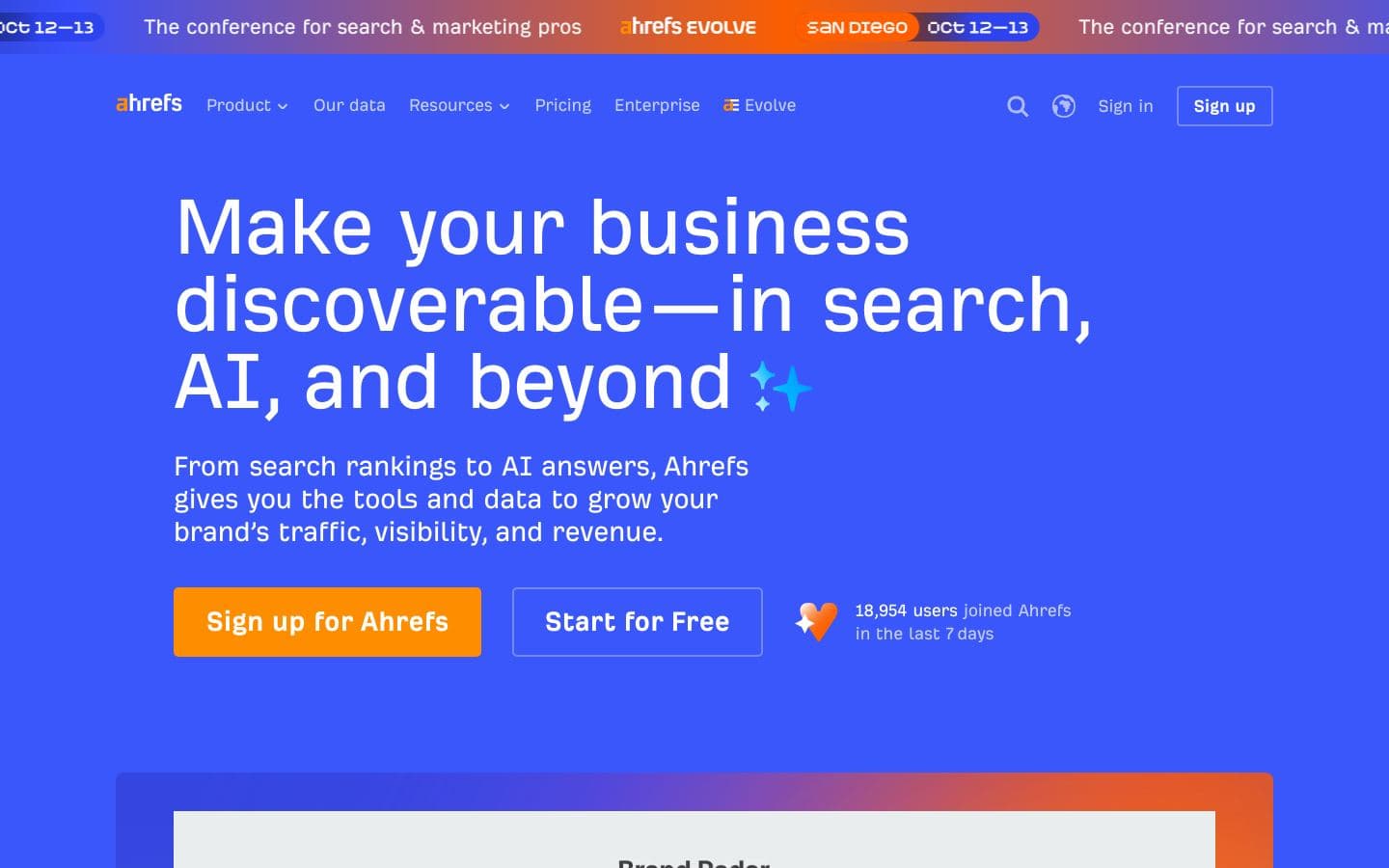
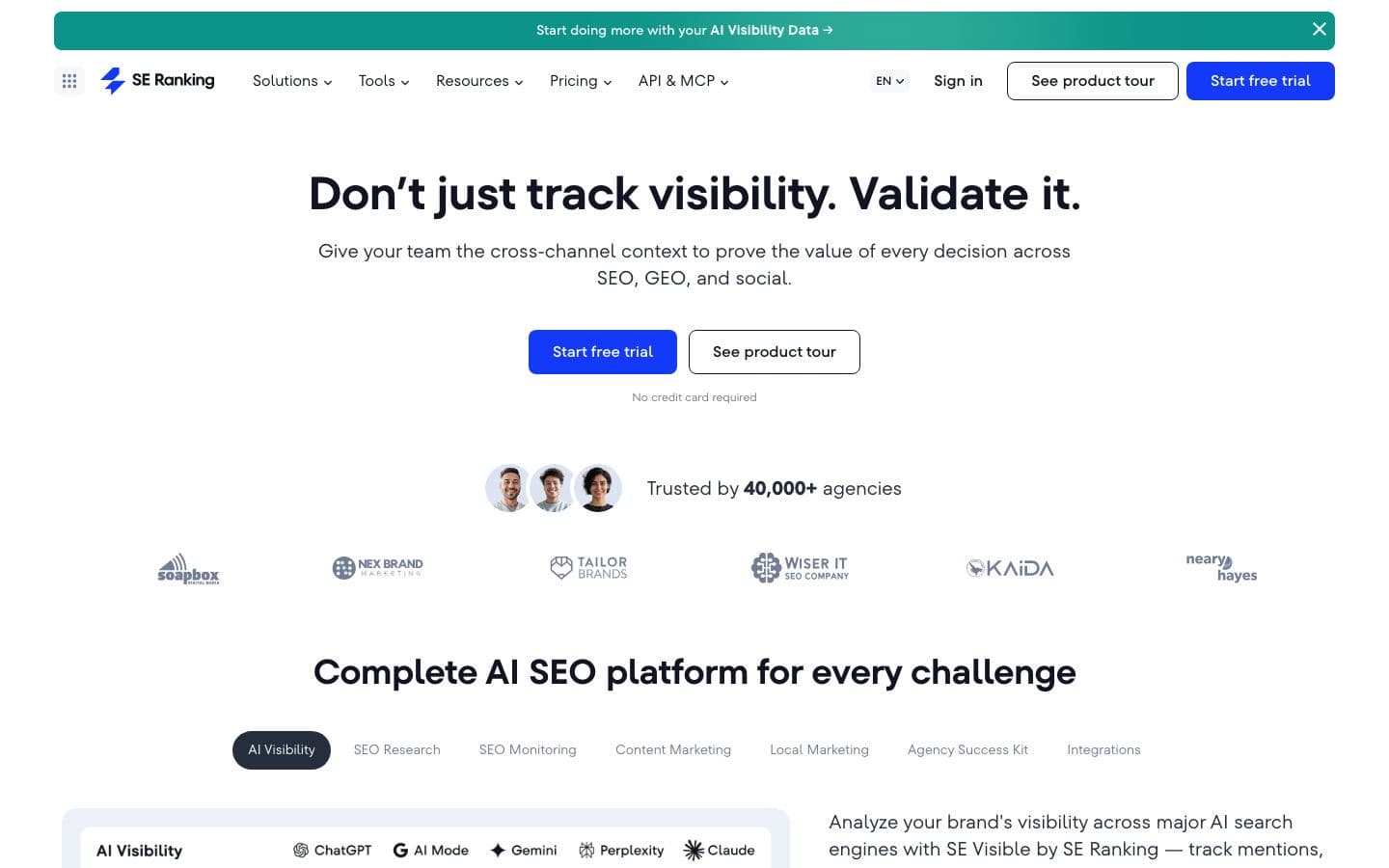
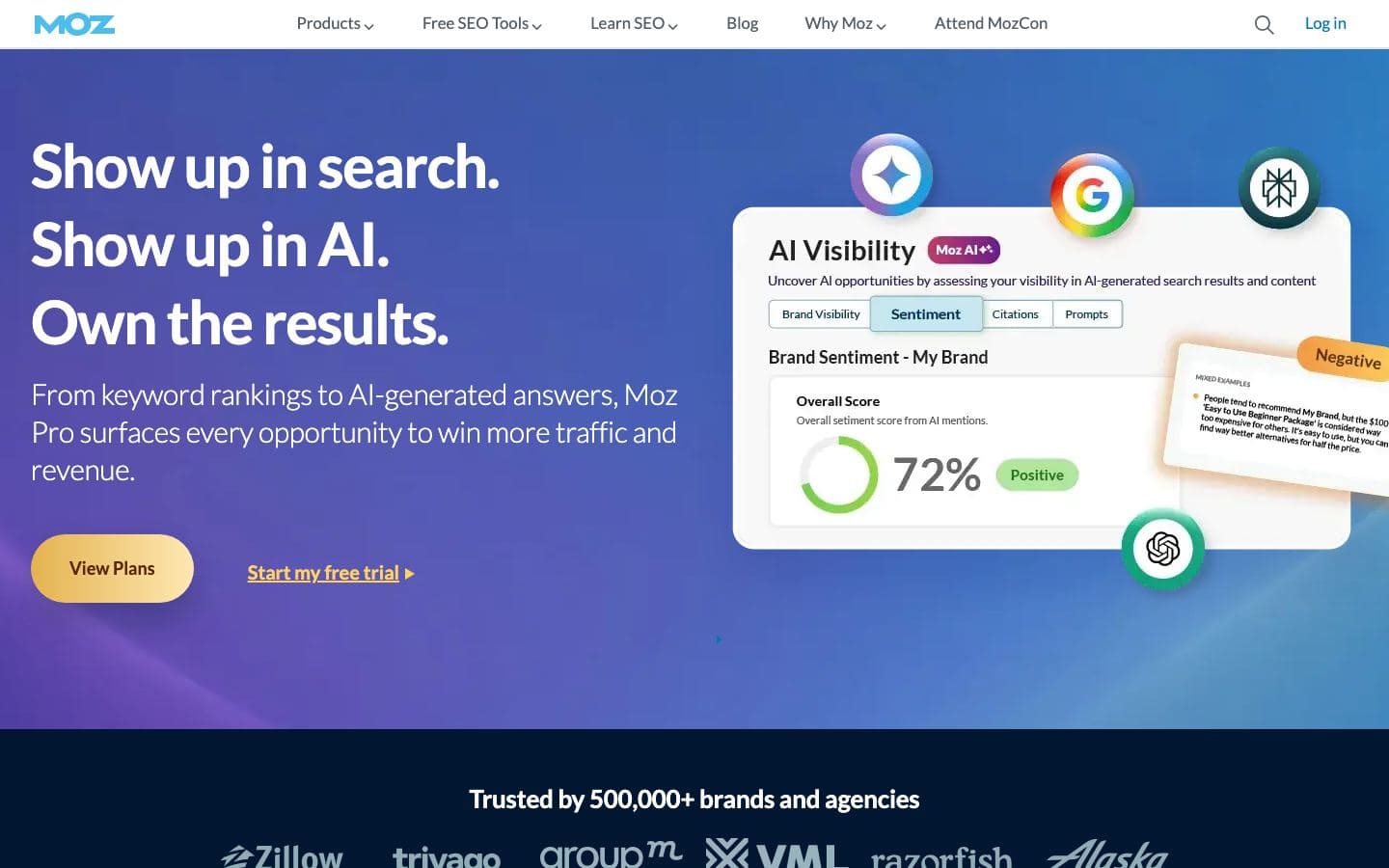
If the job is keyword and backlink research, stay with a suite. Ahrefs is the closest match on data depth: it reports 35 trillion live backlinks and filters 28.7 billion keywords, against Semrush’s 27.3 billion, though its rankings update weekly on every plan and it has no trial. SE Ranking does the same core jobs for less, at $129 a month for daily tracking of 2,000 keywords, ten projects and local SEO for three locations, with extra seats from $16 rather than $45. Moz Pro starts lowest, at $49 for one campaign and 50 tracked keywords, and has unusually deep learning material for a team new to SEO.
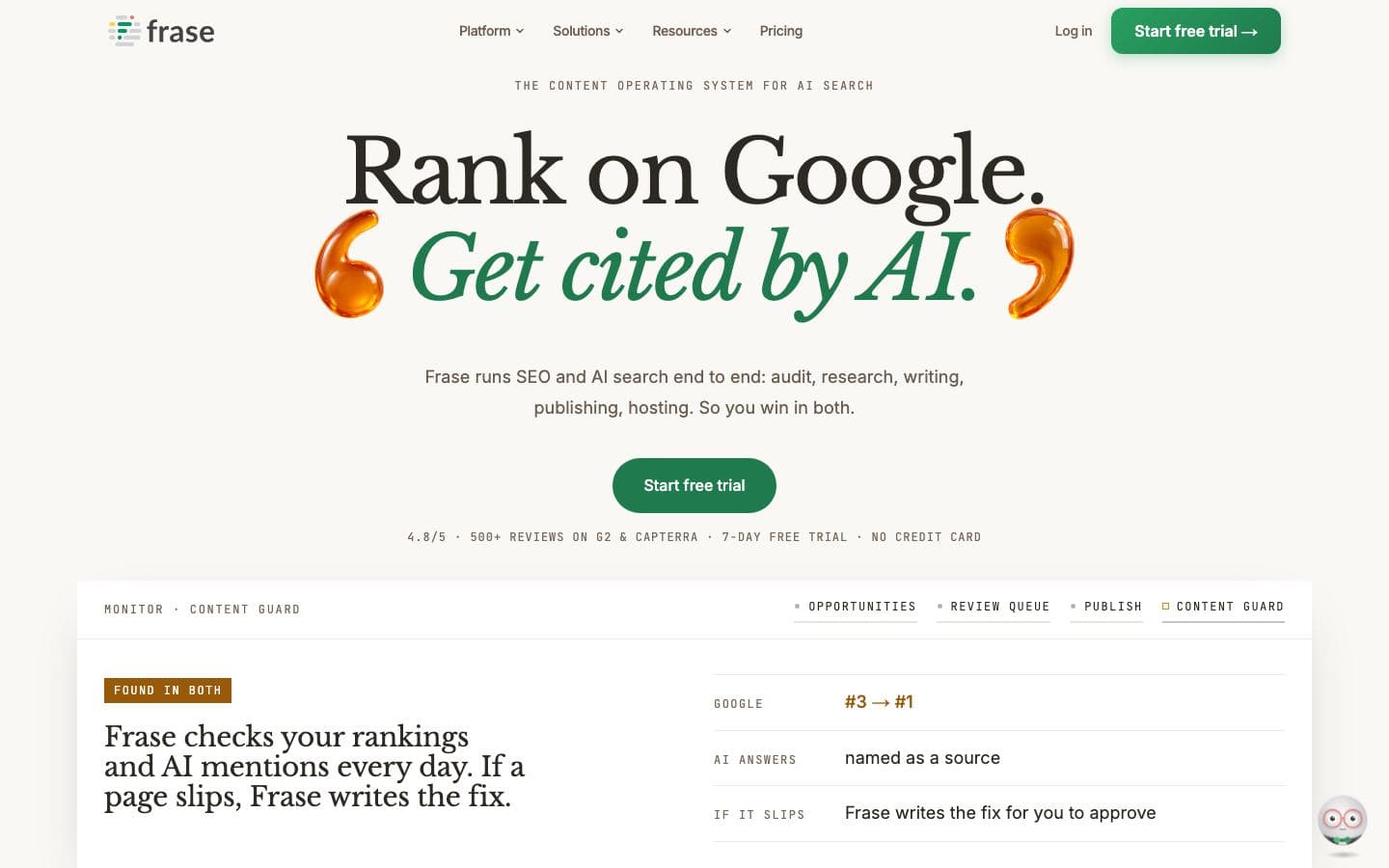
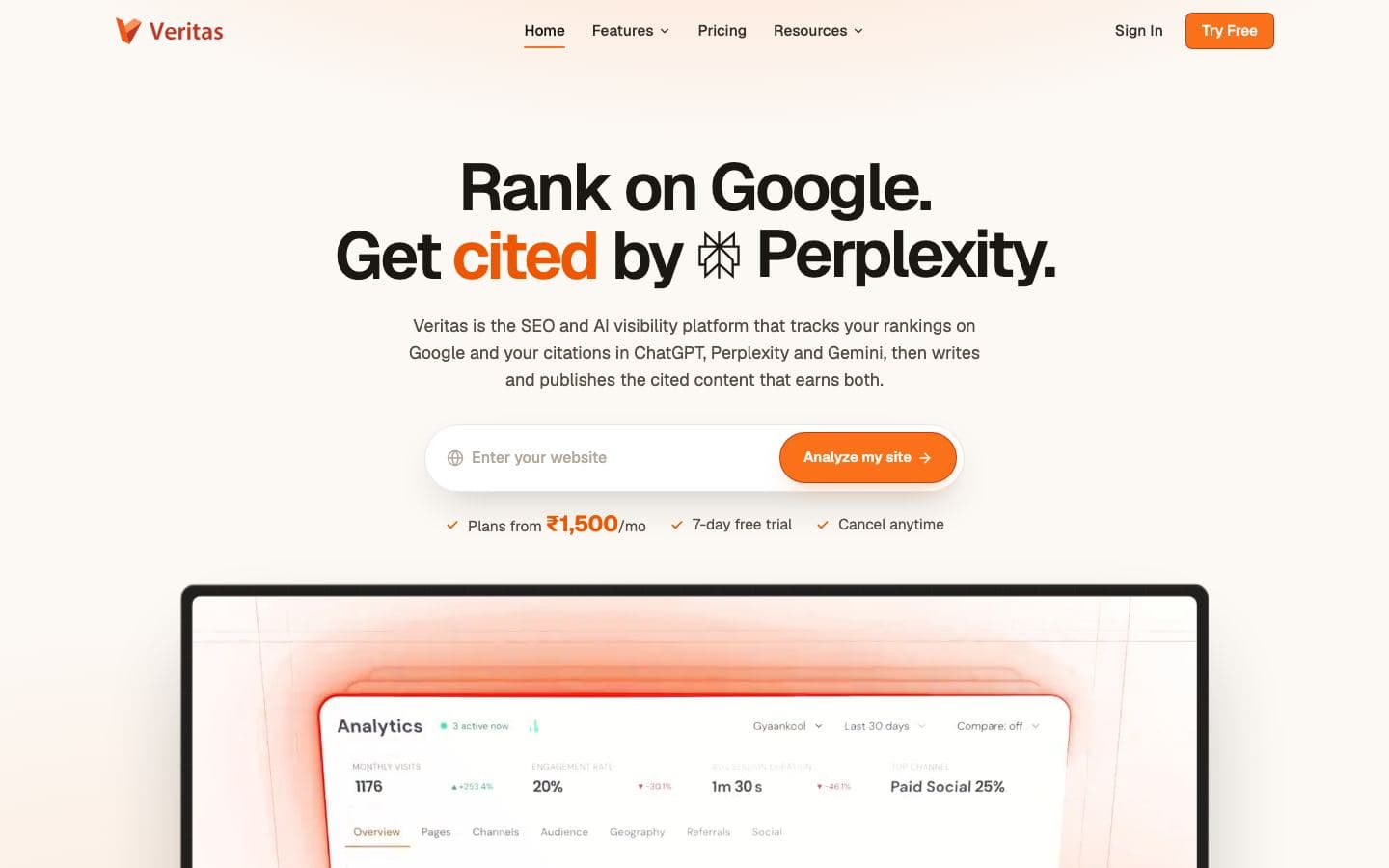
If the job is writing, a content tool does it more directly for less. Frase runs research, briefs and drafting from $49 a month, Surfer scores drafts as you write from $59, and Veritas drafts from your own documents with a citation on every knowledge-based claim from $16. None of them replaces a market-wide keyword database.
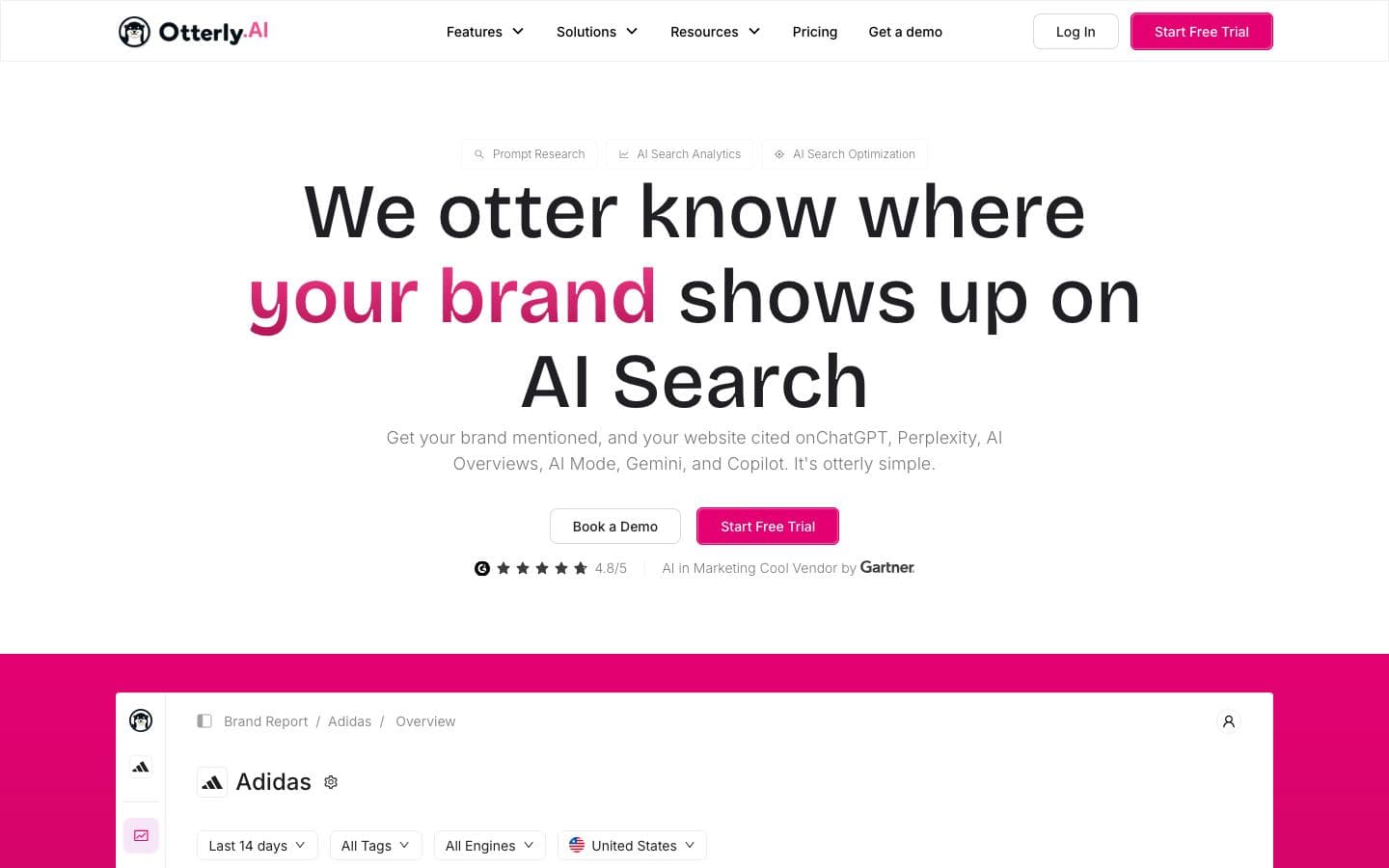
If you moved up a tier for AI answer tracking, you are paying for a suite to use one feature. Otterly.AI tracks prompts daily from $29 a month with unlimited team members, and Writesonic adds GEO fixes and outreach from $99 a month, or $79 billed yearly. Semrush’s own tracking starts at $199 on Starter.
Whichever you pick, price the team rather than the plan. Semrush’s SEO plan with two extra users is $229 a month before any add-on, so compare that figure, not the $139 headline.